Understanding the Different Levels of Senior Living Care Options
A straightforward guide to the different levels of senior living and when they’re typically used.
By Mel Steenkamp, Founder of Carus Care
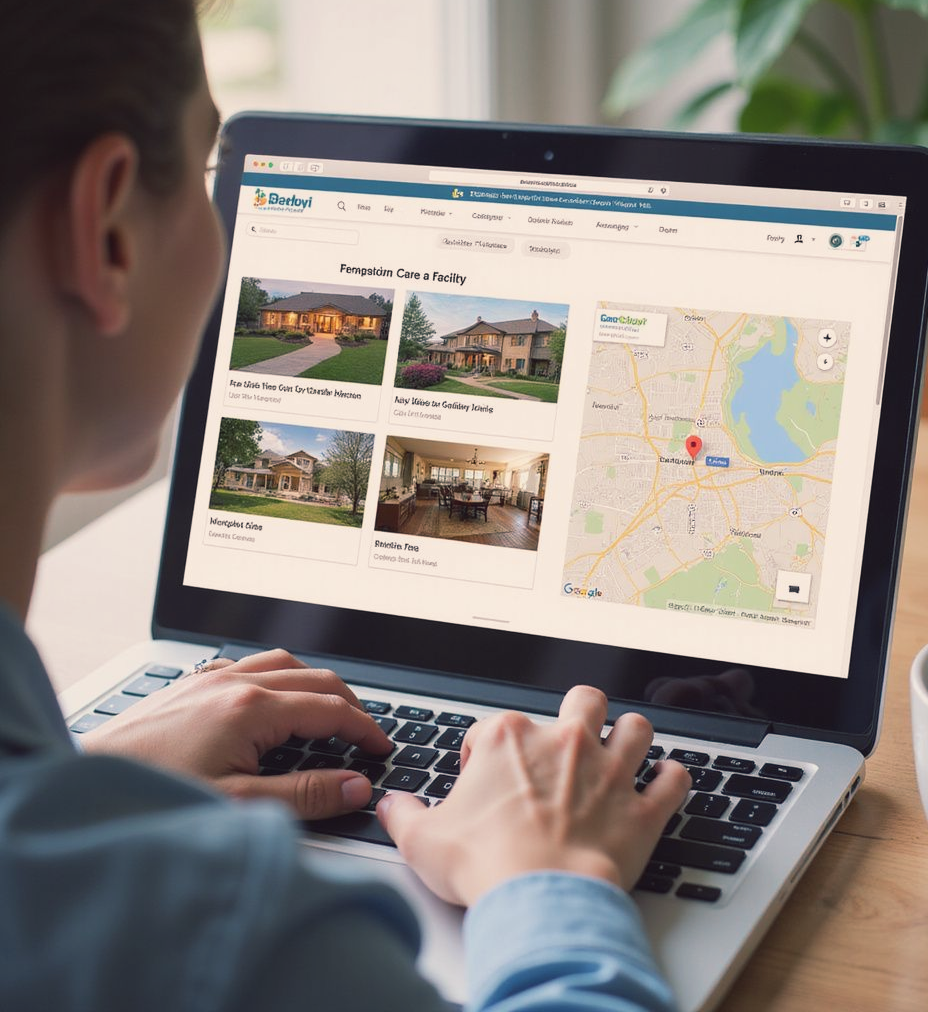
If you’ve ever searched “senior care options” or “nursing homes near me” and immediately closed the browser because it felt overwhelming, you’re not alone. Most families begin this process because something has changed. A typical routine feels less safe. Daily tasks take more effort. Support that once felt optional suddenly became necessary.
This guide is designed to make the landscape of care options clearer, especially for those trying to understand how different communities compare. By the end, you’ll understand the major levels of senior living care, who each level is designed for, and how they fit together so you can move forward with more confidence and a whole lot less guesswork.
What “Levels of Care” Actually Mean
When people talk about “levels of care,” they’re really talking about how much help someone needs on a daily basis. This ranges from almost none to continuous, specialized support.
Every state (and even individual providers) may define their categories a little differently, but the big picture stays consistent. We’ll start with the most independent option and work our way toward the highest level of care.
Quick Overview of Care Levels
Independent Living
Support Needed: Minimal or none
Setting: Apartment-style senior community
Common Services: Meals, housekeeping, maintenance, activities, transportation
Best For: Active adults who want fewer household responsibilities and more social connection
Assisted Living
Support Needed: Moderate assistance with daily activities (e.g.: bathing, dressing, meals, medications)
Setting: Residential community with 24/7 staff
Common Services: Personal care support, housekeeping, meals, activities
Best For: Adults who value independence but benefit from daily support
Memory Care
Support Needed: Continuous supervision, structured support
Setting: Secured unit or dedicated dementia-care community
Common Services: Cognitive and sensory activities, specialized staff, consistent routines
Best For: Individuals living with Alzheimer’s or other forms of dementia
Skilled Nursing Facility (SNF)
Support Needed: High-level medical oversight or rehabilitation
Setting: Licensed medical facility
Common Services: 24/7 nursing care, therapy, IV care, wound care
Best For: Short-term recovery or ongoing clinical needs
Nursing Home (Long-Term Care)
Support Needed: Continuous nursing and personal care
Setting: Long-term residential environment
Common Services: Full assistance with daily activities, medical monitoring, meals
Best For: Adults unable to live independently due to chronic conditions or advanced frailty
Below, we’ll take a closer look at each level to better understand what day-to-day life typically looks like in each setting.
Independent Living
Best for: Older adults who are active, independent, and want a more social, simplified lifestyle.
Independent living is essentially maintenance-free living with optional conveniences. Residents typically enjoy dining plans, housekeeping, transportation, organized activities, and on-site amenities, without receiving medical or hands-on care.
This option works well for individuals who manage their daily routines but prefer fewer household responsibilities and a built-in community.
Common features include:
- Flexible dining options
- Housekeeping and laundry
- Clubs, outings, and social events
- On-site staff available for emergencies
Assisted Living
Best for: Adults who need daily assistance while maintaining their independence.
Assisted living bridges the gap between independent living and medical care. Residents receive help with everyday tasks like dressing, bathing, medications, and meals, while maintaining privacy and autonomy.
Care is usually provided by trained caregivers, with nursing staff available on site or on call, depending on the community.
Common features include:
- Assistance with personal care and medications
- Three meals a day plus snacks
- Housekeeping and laundry
- Social events, transportation, and activities
- 24-hour staff support
Memory Care
Best for: Individuals living with Alzheimer’s disease or other forms of dementia.
Memory care communities are designed around safety, predictability, and specialized support. These environments include secure layouts, round-the-clock supervision, structured routines, and staff that are specialized in dementia care.
What truly distinguishes memory care is its intentional focus on routine and personalized activities that honor residents’ abilities, histories, and lifelong habits.
Examples of supportive activities:
- Folding towels or sorting familiar objects for calming focus
- Music therapy or reminiscence-based sessions
- Simple art or gardening activities
- Secure outdoor walking paths
One example that’s close to my heart and illustrates this approach involves a family friend with early-onset dementia who had always been passionate about recycling. His son would scatter empty bottles and papers throughout the fenced-in backyard so he could “collect” them, giving him purpose and focus. These small, thoughtful details are central to effective memory care.
When touring, ask communities how they personalize engagement and sensory activities to each resident.
Skilled Nursing (SNF)
Best for: Individuals recovering from illness, injury, or surgery.
Skilled nursing facilities provide short-term or extended medical care for people who need licensed nursing support and rehabilitation services. These communities often serve as a transition between a hospital stay and a safe return home, though in some cases, longer-term skilled care may be needed.
Common features include:
- 24/7 licensed nursing care
- Physical, occupational, and speech therapy
- Medication management and medical monitoring
- IV therapy, wound care, and post-surgical support
- Care coordination and discharge planning
Federal regulations require a registered nurse to be on site at least 8 hours per day, seven days a week, with licensed nursing staff available around the clock. Many facilities exceed this requirement, however.
Skilled nursing teams typically include nurses, therapists, social workers, and case managers who help coordinate care, discharge planning, and Medicare and Medicaid coverage when needed.
Bringing It All Together
Every level of senior living exists to meet people where they are. Needs change over time and what feels manageable today may not feel sustainable later. That shift is a normal part of aging.
Clarity often comes from understanding the options, asking thoughtful questions, and allowing decisions to unfold one step at a time. With the right information, future choices tend to feel more manageable and less reactive.
If you’re preparing to tour senior living communities, you can download our
Senior Living Tour Checklist. It’s a straight-forward guide to help you stay organized, focused, and confident during visits.
And if there’s a topic you’d like covered, please reach out to me at
info@caruscare.com. I’d love to hear from you!
-Mel, Founder of Carus Care
We got it.
Thank you for contacting us.
We’ll get back to you as soon as possible.
Recent Posts