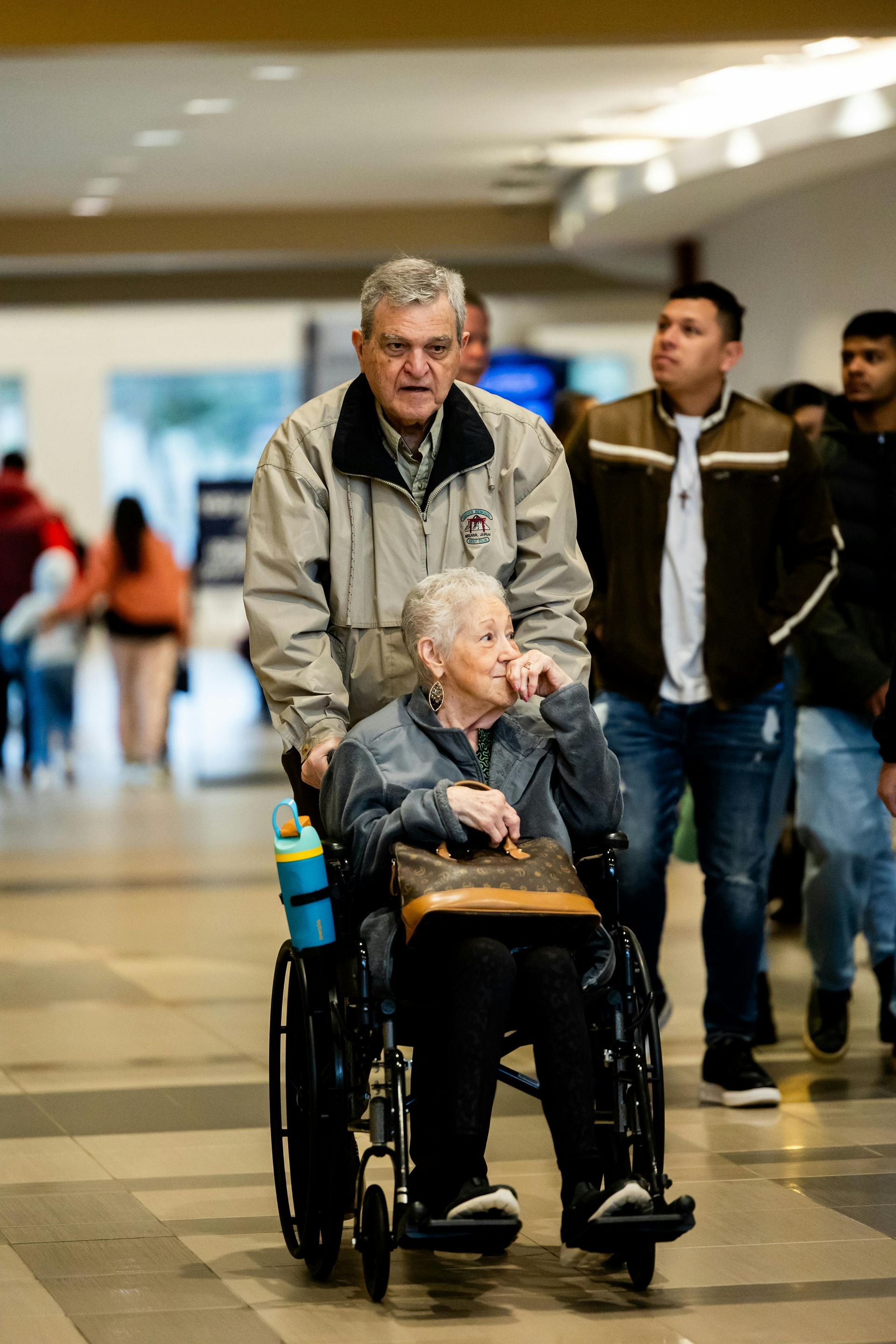
How Senior Living Can Help Life Feel More Connected Again
A look at how senior community living can restore connection, routine, and a sense of belonging.

As we age, life can slowly become smaller. Not all at once, and often without anyone really noticing it at first. Days that were once full begin to feel repetitive. Social circles shift. Energy changes. Over time, daily life can feel quieter than anyone ever expected.
You may start to notice this showing up in small but very real ways. Minor inconveniences suddenly feel bigger than they used to. A change in routine feels more disruptive. Details that once rolled off their shoulders now actually take up more space in their frustrations. Not because something is wrong, but because there is simply less filling the day.
This gradual narrowing of daily life is one of the most common and most overlooked parts of aging.
Senior living communities can help reopen that world, offering structure, connection, and shared rhythms that are often harder to maintain when someone is living alone.
How Community Living Supports Connection and Engagement
Senior living isn’t necessarily about filling calendars or trying to keep people busy. At its core, it’s really about creating conditions that make connection easier and daily life feel more supported.
1. Built-In Social Connection
I once took a dear friend out to run some errands and was reminded that we needed to hurry back because she “couldn’t miss happy hour with her friends.” What struck me wasn’t the happy hour itself, but how naturally that sense of connection had formed.
In a community setting, moments like that tend to happen without pressure. Sharing meals. Recognizing familiar faces. Sitting down in a common area and joining in on a conversation already unfolding.
Over time, those small interactions really do add up. That daily proximity makes connection feel easier and more natural than one might expect.
2. Activities That Feel Relevant and Personal
When older adults reconnect with things they have always enjoyed or explore new interests they never really had time for before, it often brings back a sense of purpose and self-identity. Not everything here is about entertainment. Much of it is about identity and feeling engaged in everyday life again.
Art, music, gardening, reading groups, walking clubs, or even simply sitting with others doing something familiar can help anchor daily routines. These moments create opportunities for connection and can make the day feel more full without feeling scheduled or forced.
Over time, activities like these help rebuild a sense of connection to life itself, often in ways that feel natural rather than intentional.
3. Fewer Daily Burdens, More Emotional Space
Living alone often means managing everything independently. Cooking, cleaning, home maintenance, transportation, and the many small logistics of daily life can drain energy over time. Add in concerns about falls, medications, or being alone during an emergency, and daily life can start to feel heavier than it used to.
When those responsibilities are shared or reduced, many people regain something they didn’t even realize they had lost. Mental and emotional space.
In an environment where support is readily available, that background vigilance softens. There is less mental energy spent worrying about what might go wrong, and more room to focus on the day itself. That shift alone can make daily routines feel more manageable and less exhausting.
That space often opens the doorway back to curiosity, creativity, and connection, showing up again in small but meaningful ways.
4. Rediscovering Purpose and Belonging
Purpose does not disappear with age, but opportunities for it often do.
In a community setting, residents may step into roles that feel natural and familiar. Welcoming neighbors. Joining committees. Sharing hobbies. Or simply being someone others look forward to seeing as part of the day.
Those moments of recognition and routine can be grounding, especially during periods of change.
Subtle Shifts Families Often Notice
Change doesn’t always look like enthusiasm and adjustment is rarely dramatic. In fact, these shifts tend to show up in rather small, easy-to-miss ways, even while insisting they still “want to go home”.
You might start noticing things like:
- A parent greeting neighbors by name after previously spending most days alone
- Someone returning to hobbies, even in small or tentative ways
- More frequent participation in meals or casual gatherings
- Friendships forming through shared routines or humor
These moments may seem minor, but they often signal that daily life is starting to feel fuller and more connected again.
Addressing Common Hesitations
Even when life has become too quiet or too heavy, the idea of senior living can feel daunting. That hesitation is common but deserves to be treated with patience and respect.
You may hear things like:
- “I’m not ready.”
- “I’m doing fine.”
- “Those places aren’t for me.”
- “I won’t know anyone there.”
Often, these responses are rooted in outdated assumptions or fear of losing independence. Today’s communities are typically designed to support autonomy, privacy, and flexibility, while making daily life easier to manage.
The goal here is not to convince or push. It is to acknowledge concerns and keep the conversation open.
Supporting the Transition Thoughtfully
If and when you begin exploring community living, a few approaches can help keep the process from feeling overwhelming.
Starting with what your parent misses rather than what they need can shift the tone of the conversation. Exploring options together builds trust and helps them feel included rather than directed. Keeping information limited and relevant prevents overload. Framing tours as exploration rather than decision-making reduces pressure. And allowing time between conversations gives space for reflection.
Small, steady steps tend to work better than trying to resolve everything at once.
A Helpful Resource as You Explore
Touring senior living communities can feel like a lot. There is so much to take in at once, from atmosphere and staff to activities and dining, and it can be hard to know what actually matters most.
That is why I created the Senior Living Tour Checklist. It is a printable PDF designed to help you stay focused on what to observe, what questions to ask, and how to compare communities clearly. Once you sign up, it is sent straight to your inbox so you can bring it with you to each visit.
And if you’d like to learn more about how to use it during your visits, you can also read the article “What to Ask When Touring a Senior Living Facility” for extra guidance.
Bringing It All Together
Supporting a parent through this stage of life is not about fixing something that is broken. It is about noticing when connection, engagement, and daily rhythms have narrowed, and exploring ways to reopen them.
Community living is not the right fit for everyone, and timing matters. But for many families, it offers shared experience, steadier routines, and a sense of belonging that can be difficult to recreate alone.
If you found this helpful, you can sign up to receive our newsletters for other easy-to-use, plain-language guides from Carus Care.
And if there is a topic you would like us to cover, you are always welcome to reach out at info@caruscare.com. We’d love to hear from you!
—
Mel, Founder of Carus Care
Sign Up to Receive Carus Care Updates
Thank you for signing up to receive updates from Carus Care. You should receive another email shortly that includes a free senior living tour checklist for anyone who might need it.
Welcome!
Please try again later.
Recent Posts