

Caring for the Caregiver & Avoiding Burnout

Melanie Steenkamp • November 13, 2025

A plain-language guide to recognizing burnout and creating more sustainable care routines.

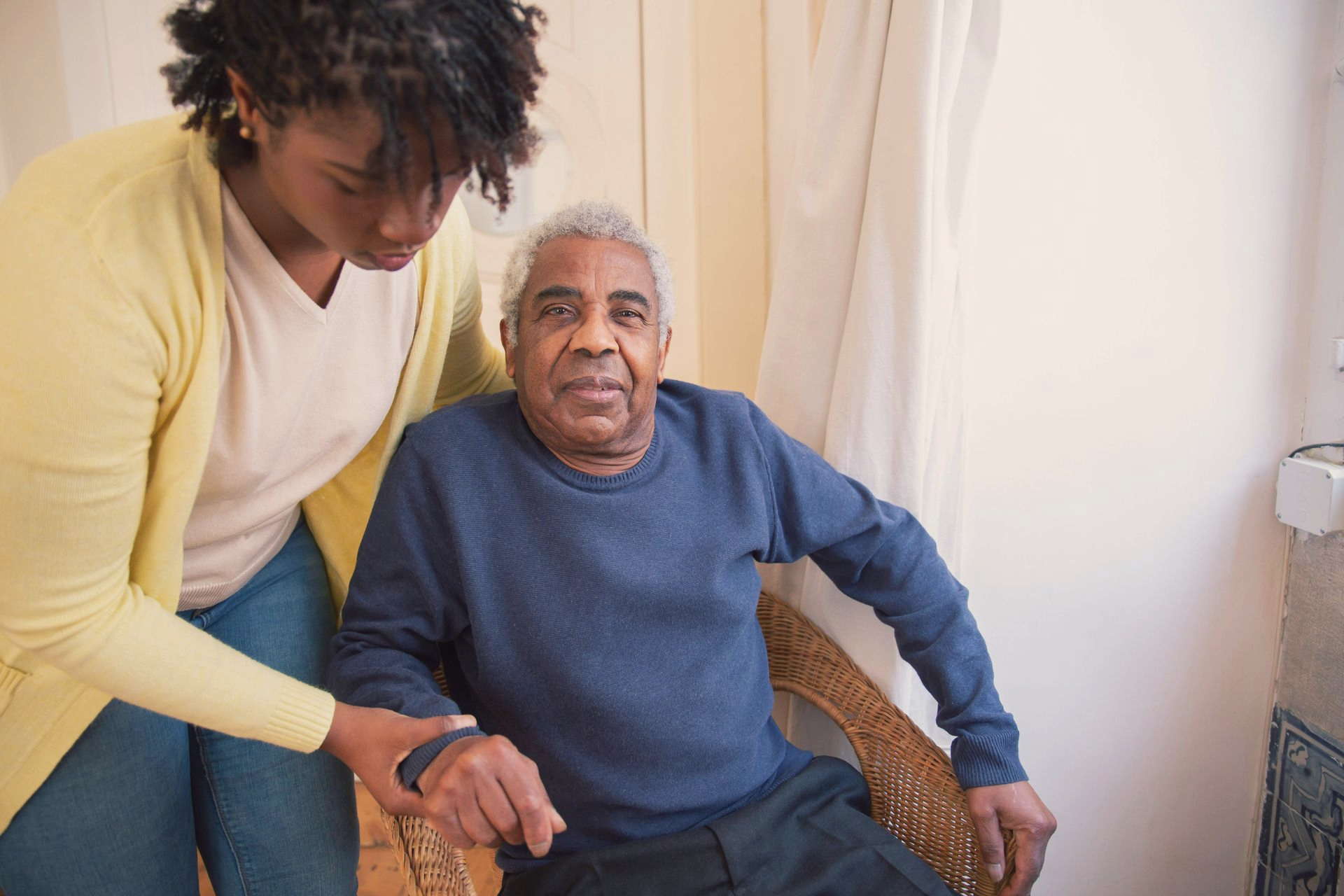
Caregiver assisting an older adult in a blue sweater to sit in a chair, offering comfort and companionship. Interior setting, natural light.

Caregiving can be one of the greatest acts of love and, at the same time, an emotional rollercoaster. It asks for your time, your energy, and often your full attention. Knowing when to step back, take a breath, and use the support available to you is essential to protecting both your wellbeing and your loved ones.


This guide focuses on understanding why caregiver burnout happens, recognizing early signs, and sharing practical ways to support more sustainable care over time.


Why Caregiver Burnout Happens

Taking on the role of caregiver isn’t really something people train for (unless of course you work in healthcare or as a caregiver already). It usually begins with good intentions and small steps: helping with appointments, managing medications, checking in more often. Over time, those responsibilities add up.


Burnout tends to develop when care needs continue to grow but the caregiver’s time, energy, or support system does not.


You’ve probably heard the airplane analogy: put your own mask on before helping someone else. It applies here, too. When you constantly ignore your own needs, exhaustion starts to take over and you may recognize it in small moments. Reheating the same cup of coffee multiple times without even taking a sip. Snapping at the dog, the toaster, or absolutely nothing at all. 


You may start feeling overwhelmed, irritable, or even resentful. These are very common feelings that most caregivers experience but rarely say out loud.


Common signs of caregiver burnout include:


  • Persistent fatigue or low energy

  • Irritability or impatience

  • Skipping personal medical (and non-medical) appointments

  • Feeling overwhelmed or mentally exhausted

  • Anger or frustration that feels harder to manage

  • Short temper or sudden emotional outbursts

These signs indicate that the current care arrangement is demanding more than one person can reasonably carry alone. 


From Solo Care to Shared Support

One of the most practical pieces of advice I can offer is this: lean on your support system. Trying to take on everything alone is the fastest path to burnout. And yet, almost every caregiver attempts it at first.


Over time, though, solo caregiving becomes difficult to sustain. Care responsibilities expand, emergencies interrupt routines, and the margin for rest disappears.


Sharing responsibility doesn’t diminish the quality of care. In most cases, it improves it. Whether support comes from family members, friends, community programs, or professional services, distributing the load allows caregiving to continue without consuming every part of daily life.


When responsibilities begin to crowd out rest and flexibility, it’s often a sign that additional support would make care more sustainable.


Practical Ways to Protect Your Energy

Caregivers don’t usually need elaborate self-care routines. What they need is time and space that isn’t filled with responsibility.


Even short breaks can help restore energy and perspective. Allowing someone else to step in, even briefly, gives your nervous system a chance to reset.


Some practical ways caregivers can protect their energy:


  • Coffee with a friend or a quick phone call

  • Running errands alone, without urgency

  • Light exercise, like a walk outside or some gentle movement

  • A long bath or shower, maybe with a book, tea, or wine (yes, please!)

  • Time to sit without multitasking


These moments aren’t luxuries — they’re essential fuel. When you return, you’ll do so calmer, clearer, and more connected to yourself.


Finding Support and Resources

Sometimes support is available through family or friends. Other times, outside resources are necessary.


There are many programs designed specifically to support caregivers, and many are free or low-cost.


Helpful places to start include:


  • Local senior centers
    Community-based programs, support groups, and respite options

    (Search: “community senior center near me”)


  • National Family Caregiver Support Program (NFCSP)
    Federal program offering caregiver education, respite, and assistance

    Learn more


  • National Council on Aging (NCOA)
    Caregiver guides, benefits navigation, and aging resources

    Visit NCOA


  • AARP Caregiving Resources
    Practical tools, checklists, and peer support

    View resources


If you’re unsure where to begin, your local Area Agency on Aging is often the most efficient starting point. They typically have a clear view of available programs, respite services, and support options in your area.


Bringing It All Together

Caregiver burnout is common, especially when care responsibilities increase gradually. Recognizing early signs allows families to adjust routines, share responsibility, and plan ahead before exhaustion sets in.


Caregiving works best when it’s supported, flexible, and shared. Protecting your own capacity helps ensure that care can continue in a way that works for everyone involved.


If you found this guide helpful, sign up to receive updates for compassionate resources, plain-language caregiver support, and tools to help you navigate every stage of this journey.


And if there’s a topic you’d like covered, please reach out to me at info@caruscare.com. I’d love to hear from you!


-
Mel, Founder of Carus Care

Sign Up to Receive Carus Care Updates

Recent Posts

Woman showing paperwork to older couple on a couch in a living room.
By Melanie Steenkamp December 22, 2025
A steady, respectful approach to talking with parents about safety and support before a crisis forces fast or emotional decisions.

Older man playing chess with a younger man, looking on. Seen through a mirror; person in foreground.
By Melanie Steenkamp November 29, 2025
Explore how senior living communities reduce loneliness, encourage social connection, and improve overall well-being.

Five older adults eating at a table in a dining room; they are smiling and interacting, with flowers on the table.
By Melanie Steenkamp November 20, 2025
A plain-language checklist of questions to ask during senior living tours, plus what to observe so families can compare communities with confidence.
Man pushing a person in a wheelchair through a public space; other people are walking nearby.
By Melanie Steenkamp November 11, 2025
A practical guide to recognizing early signs that extra support may help, and how exploring senior living early can reduce stress and rushed decisions.

Doctor with stethoscope reviews tablet in office.
By Melanie Steenkamp November 10, 2025
A clear, plain-language guide to independent living, assisted living, memory care, and skilled nursing and how families typically navigate each level.